










Lottery Ticket Commission Calculator: How Much Do Lottery Retailers Really Earn in NY, NJ & PA?
July 14, 2026
Selling lottery tickets may seem like a simple add-on service, but the revenue behind lottery retailing is more complex than many business owners realize.
For convenience stores, gas stations, liquor stores, grocery stores, and other retailers, lottery sales can create an additional revenue stream through ticket commissions, winning ticket redemptions, and incentive programs.
However, the amount a retailer earns can vary significantly depending on several factors, including the state they operate in, customer traffic, ticket sales volume, and the types of games they sell.
That is why estimating lottery income manually can be difficult.
A lottery ticket commission calculator can help retailers better understand their potential earnings by factoring in sales activity, game types, and commission opportunities.
How Lottery Retailers Make Money
Lottery retailing can create multiple revenue opportunities beyond simply selling tickets. While ticket sales commissions typically make up the largest portion of earnings, retailers can also generate additional income through ticket redemption commissions and state-sponsored incentive programs.
Understanding each revenue source can help retailers get a clearer picture of their total lottery earning potential.
Sales Commission (Primary Income Source)
The primary way lottery retailers earn money is through commissions on ticket sales.
Each state lottery sets its own commission structure, but retailers typically earn a percentage of the total lottery tickets they sell. In many cases, sales commissions fall within the 5% to 6% range, depending on the state and ticket type.
For example, a retailer selling $10,000 worth of lottery tickets in a week could earn hundreds of dollars in commission revenue based on their state’s commission rate.
However, total earnings can vary depending on factors such as:
- Store location and customer traffic
- Weekly ticket sales volume
- The types of lottery games customers purchase
- Available state incentives
Because sales volume plays such a major role, high-traffic retailers often have greater earning potential.
Cashing Commission (Ticket Redemption Earnings)
Lottery retailers can also earn additional revenue by cashing qualifying winning tickets.
When customers redeem winning lottery tickets at a participating retailer, the store may receive a small commission for processing the transaction. These payments are typically lower than sales commissions but can provide a consistent source of supplemental income.
Cashing commissions are often calculated as a percentage of the redeemed ticket amount and may typically range from 1% to 1.25%, depending on state lottery rules.
Although they may seem small compared to ticket sales commissions, these earnings can add up over time—especially for retailers with frequent lottery traffic.
Bonus Commissions and Incentive Programs
Beyond standard sales and redemption commissions, many state lotteries offer bonus programs designed to reward retailers for strong performance.
These incentives can include:
- Jackpot ticket sale bonuses: Additional rewards for selling winning jackpot tickets.
- Monthly or quarterly performance incentives: Bonuses tied to sales goals or retailer participation.
- Scratch-off promotional rewards: Incentives for promoting specific instant ticket games.
- Volume-based tier bonuses: Additional earnings opportunities for retailers reaching certain sales milestones.
- Event-based bonuses: Limited-time promotions tied to special lottery campaigns.
Because bonus programs vary by state and can change throughout the year, retailers should review available incentives to understand their full earning potential.
Scratch-Off vs. Draw Games: Understanding the Difference
Lottery retailers typically sell two main types of lottery products: scratch-off tickets and draw games. While both contribute to overall lottery revenue, they work differently and are tracked separately for reporting and commission purposes.
Scratch-off tickets are instant-win games where customers find out their results immediately after purchasing and revealing the ticket. These games are often popular because they provide quick outcomes and are available in a wide range of price points.
Draw games, on the other hand, require customers to select numbers or purchase randomly generated tickets for a scheduled drawing. Popular examples include jackpot-style games where customers wait for the official drawing results.
Why Retailers Track Scratch-Off and Draw Game Sales Separately
Tracking scratch-off and draw game sales separately helps retailers maintain accurate reporting and better understand where their lottery revenue comes from.
There are several reasons for separating these sales categories:
- Different commission structures: Scratch-off tickets and draw games may have different commission rates depending on the state lottery program.
- Accurate inventory tracking: Separating ticket types helps retailers monitor inventory levels and avoid discrepancies when ordering or reconciling tickets.
- Clearer earnings calculations: Tracking each category separately allows retailers to see exactly how much revenue comes from each type of game.
For example, a retailer may find that scratch-off tickets generate $1,800 in commissions while draw games contribute $800 over a specific period. Keeping these sales separate provides a clearer picture of which lottery products are driving revenue.
Accurate tracking also helps retailers make smarter decisions about inventory, promotions, and overall lottery performance.
State-Wise Lottery Commission Structure: NY vs. NJ vs. PA
Lottery commission structures vary by state, and retailers in New York, New Jersey, and Pennsylvania may see different earning opportunities based on local rules and incentives.
New York Lottery Model
The New York Lottery offers retailers a high-volume opportunity due to the state’s large customer base and strong lottery participation.
Retailers often benefit from:
- Consistent ticket demand
- Strong scratch-off sales
- A wide variety of lottery products
For stores with steady customer traffic, lottery sales can become a reliable source of supplemental revenue.
New Jersey Lottery Model
New Jersey’s lottery program includes a variety of retailer incentives designed to encourage participation and sales growth.
Retailers may benefit from:
- Sales incentives
- Winning ticket bonuses
- Promotional opportunities
Because incentive programs can change over time, retailers should review current offerings to understand the full earning potential.
Pennsylvania Lottery Model
Pennsylvania provides retailers with opportunities through both lottery sales commissions and retailer incentive programs.
The state’s lottery model supports retailers by encouraging:
- Strong sales performance
- Customer engagement
- Participation in promotional initiatives
For retailers, understanding both commission rates and available bonuses is key to maximizing lottery revenue.
Free Lottery Ticket Commission Calculator
Estimating lottery earnings manually can be difficult when factoring in different ticket types, commission rates, and additional incentives.
Use our free lottery ticket commission calculator to estimate potential earnings based on your store’s lottery sales activity:
By entering your sales information, you can get a clearer picture of how lottery products may contribute to your overall revenue.
How FTx POS Helps Lottery Retailers Maximize Profit Visibility
With the right lottery management tools, retailers can better track performance, simplify reporting, and gain a clearer view of their revenue opportunities.
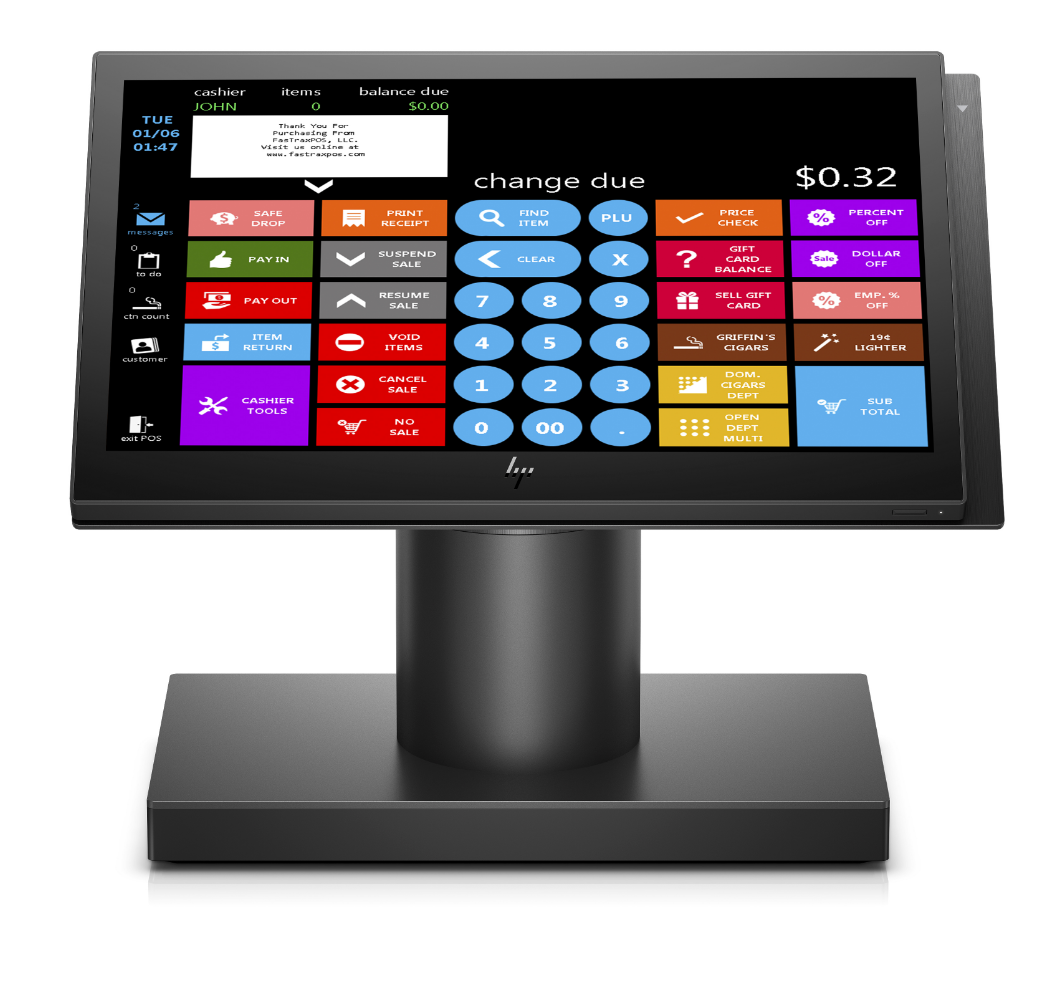
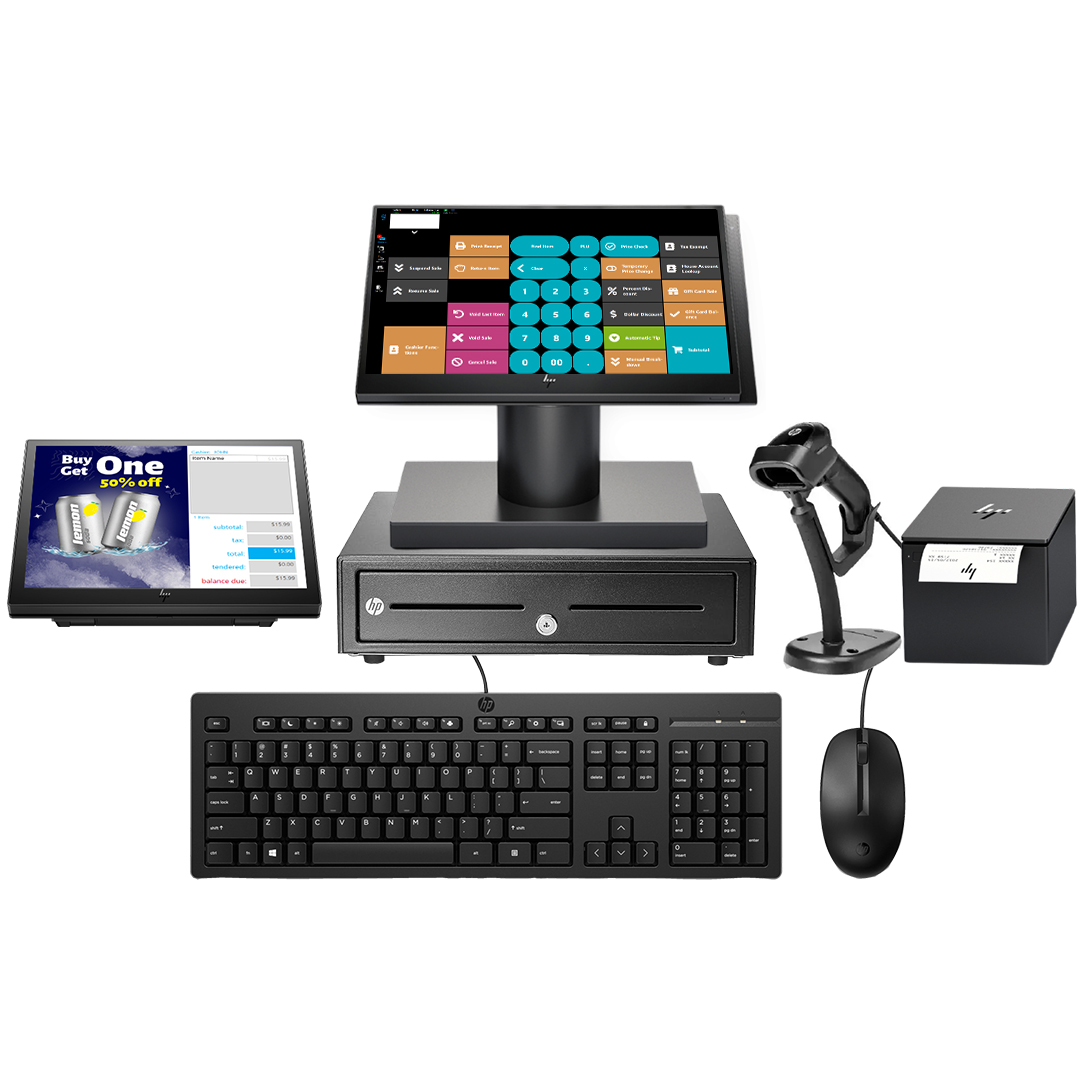
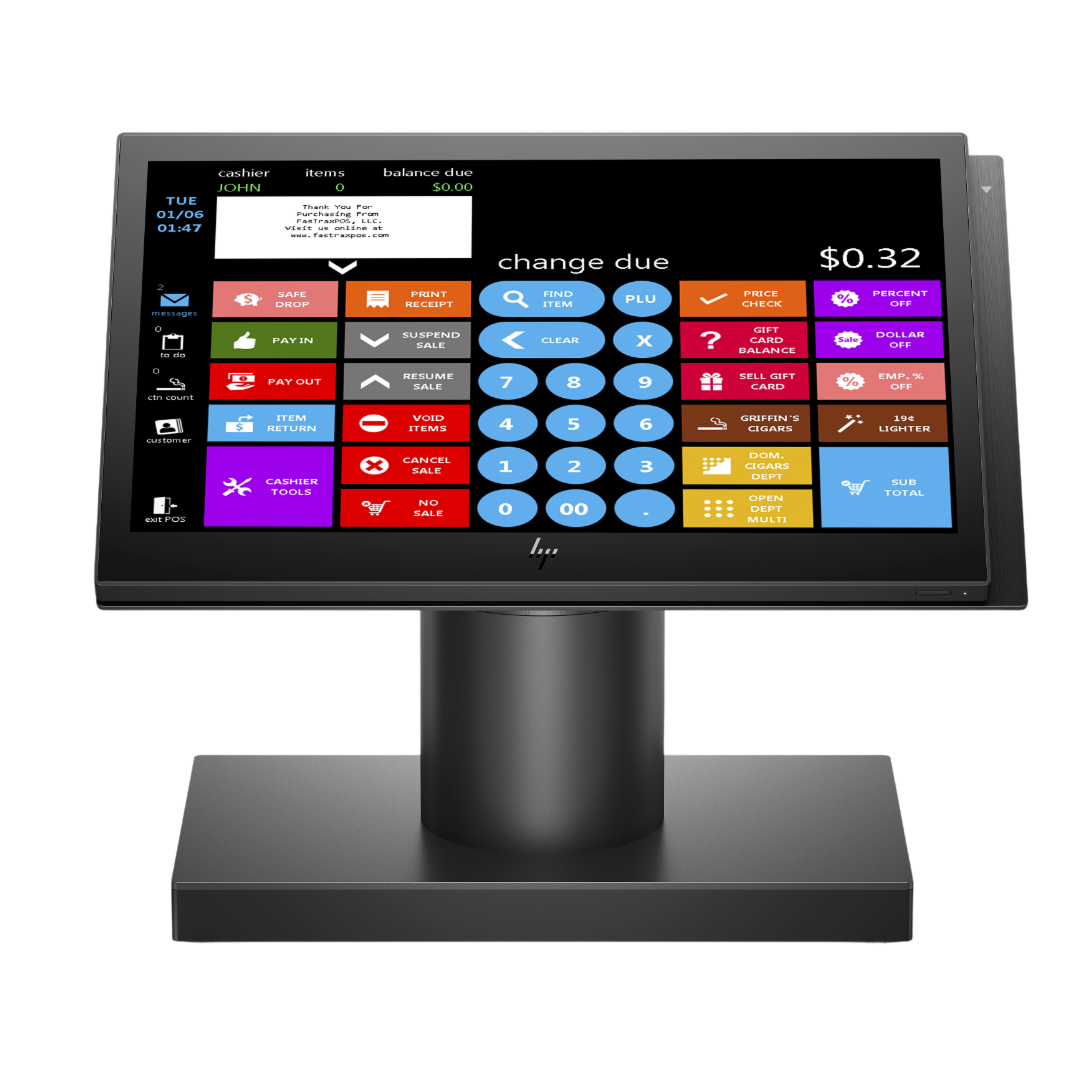
FTx POS helps lottery retailers gain better visibility into their daily operations with tools designed to track sales, inventory, and performance.
With FTx POS, retailers can:
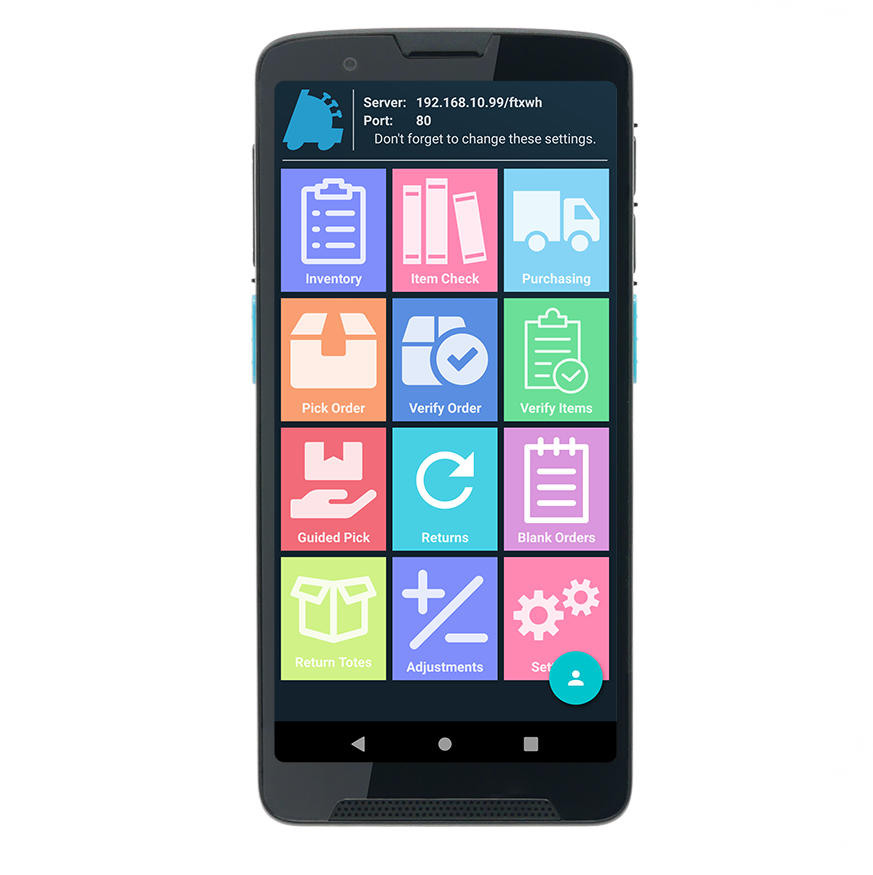
- Track lottery inventory in real-time
- Review sales and payout reports
- Simplify lottery reconciliation
- Monitor activity across registers
- Identify high-performing ticket categories
- Detect unusual transaction activity
By combining lottery data with broader store performance insights, retailers can better understand which products drive revenue and where opportunities exist.
Conclusion
Lottery income can be a valuable addition to a retail business, but actual earnings depend on many factors, including location, sales volume, game mix, and available incentives.
Instead of relying on estimates or assumptions, retailers can use a lottery ticket commission calculator to better understand their potential revenue.
By analyzing ticket sales, redemption activity, and commission opportunities, retailers can make more informed decisions about how lottery products fit into their overall business strategy.